Buzz Bingo Reports Revenue Growth Amid Rising Employment Costs for Year Ended January 2026
Written by Felix Schmid · Sep 1, 2026

Buzz Bingo Reports Revenue Growth Amid Rising Employment Costs for Year Ended January 2026
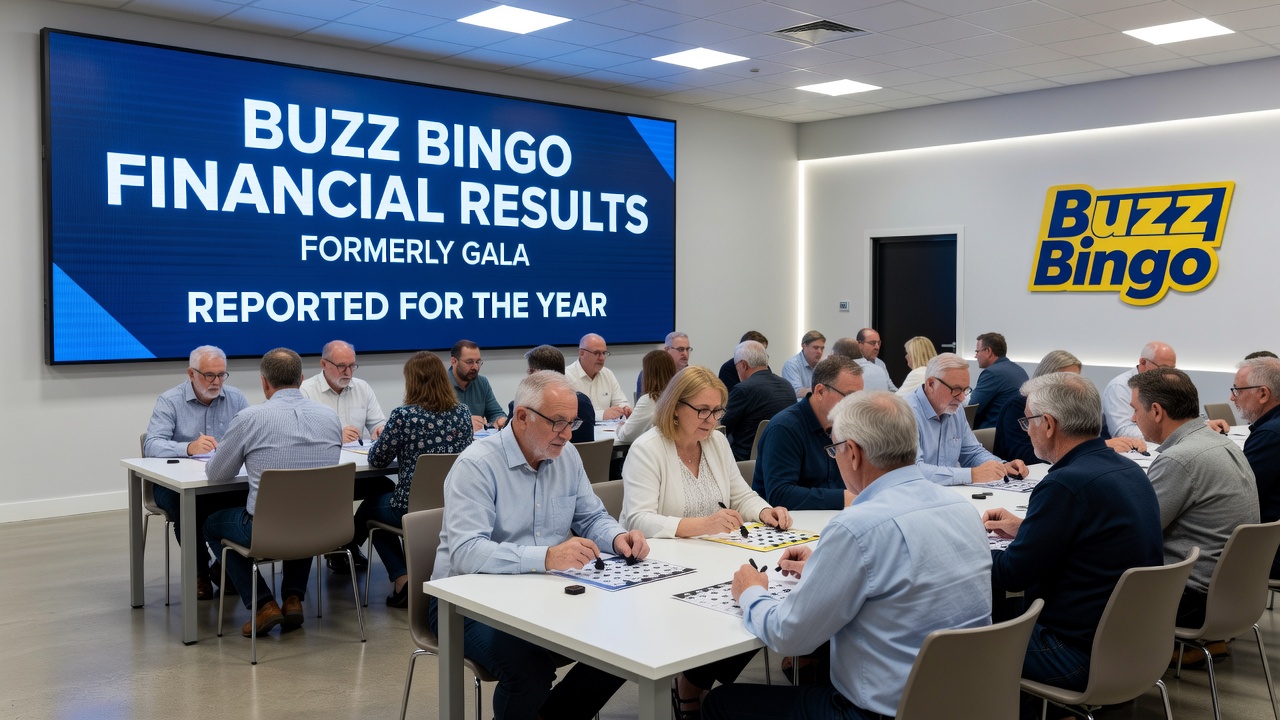
Buzz Bingo, the UK's largest bingo hall operator formerly known as Gala, published its financial results for the year ended January 2026 and these figures show an 11% rise in revenue to £241m alongside notable expansion in customer numbers. The results highlight an 8% increase in in-person visitors and a 30% jump in online customers, with more than half of new club players falling under the age of 35. Underlying earnings declined 6% to £39m, a drop tied directly to elevated employer national insurance contributions and the national living wage, which prompted the company to adjust its investment pace.Revenue Performance and Operational Details
Revenue climbed steadily throughout the period as both physical venues and digital platforms contributed to the overall £241m total, according to the published accounts. In-person attendance grew by 8% while online participation surged 30%, indicating sustained demand across channels. The company operates numerous bingo halls across the UK and maintains a robust digital offering that continues to attract new users at a faster rate than traditional sites.
Player Demographics and Growth Patterns
Observers note that over half of all new club players registered during the year were under 35, a shift that aligns with broader interest from younger adults in bingo activities. This demographic trend appears amid reports of Gen-Z engagement with the game, which combines social elements in halls with accessible online formats. Data shows repeat visits from these younger players helping sustain footfall even as overall market conditions evolve.
Earnings Impact from Employment Costs
Underlying earnings fell 6% to £39m primarily because of increased employer national insurance contributions together with the higher national living wage that took effect during the financial year. These cost pressures reduced margins despite the revenue uplift, leading management to slow planned investments in new venues and technology upgrades. The results, released today, reflect how rising labour expenses have affected profitability across the sector.
Context of Gen-Z Interest and Market Position
Interest from Gen-Z players has grown in recent months, with figures revealing younger adults seeking out both in-person bingo nights and mobile-friendly online sessions. This development coincides with the company's stronger online customer growth of 30%, suggesting digital platforms serve as an entry point for new demographics. Industry reports from organizations such as the Canadian Gaming Association indicate similar patterns in other regions where bingo has seen renewed participation among younger groups through hybrid formats.
Investment Adjustments and Forward Outlook
With earnings under pressure the company has chosen to moderate its capital expenditure, focusing instead on maintaining existing operations while monitoring cost inflation. This measured approach follows directly from the 6% earnings reduction and aims to preserve financial stability amid ongoing wage and contribution increases. Results for the year ended January 2026 therefore present a mixed picture of top-line expansion offset by bottom-line constraints.
Conclusion
The financial statements underscore how Buzz Bingo achieved revenue growth of 11% to £241m through combined in-person and online channels, yet faced a 6% earnings decline to £39m due to specific employment cost rises. Player numbers expanded across demographics, particularly among those under 35, while investment plans were scaled back accordingly. These outcomes, documented in the accounts released today, provide a clear record of performance for the year ended January 2026.